 About Corsica
Corsica is a mountainous Mediterranean island that sits roughly 170 km southeast of mainland France. It is located between Italy and France. The island is known for its dramatic landscapes, turquoise waters, and a blend of French and Italian influences. Its language, music, and traditions reflect centuries of unique development, giving Corsica a distinct character within Europe.
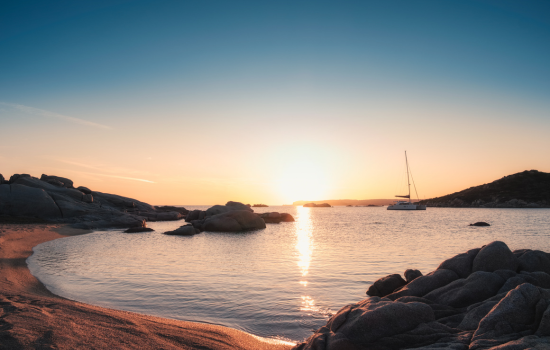
A trip to Corsica offers a memorable mix of raw natural beauty and refined Mediterranean charm. Historic coastal towns such as Bonifacio and Calvi are at your doorstep, and the island provides some of the most impressive sailing and seaside adventures in Europe. Reliable winds, secluded bays, and unspoiled beaches make it an ideal destination for both seasoned sailors and curious travelers.
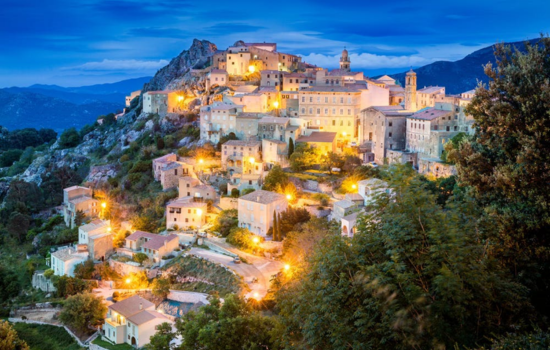
Although Corsica is famous for its rugged landscapes and strong cultural character, it’s far more than a destination for outdoor enthusiasts. Beyond its dramatic mountains and remote inlets, you’ll find an inviting elegance, intimate waterfront eateries, cliffside villages, and a relaxed, sun-soaked way of life.
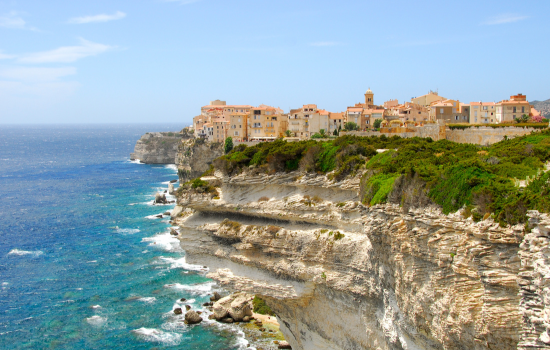
Explore the island’s understated sophistication as you follow its coastline, discovering quiet beaches, ancient fortresses, and striking scenery. To help you make the most of your Corsican adventure, here’s everything you need to know before you go. Whether you’re planning a week of exploring the shoreline or simply hoping to unwind on the water, this guide sets the stage for a memorable Mediterranean escape.
When to sail?
The best time to sail in Corsica falls between late spring and early autumn, when the island reveals its most inviting conditions.
May and June are especially appealing, offering warm, sunny days, clear visibility, and comfortable temperatures both on land and at sea. The winds are steady without being too strong, the beaches are quieter, and the marinas feel relaxed, perfect for travelers who want ideal sailing weather without the intensity of peak season crowds.
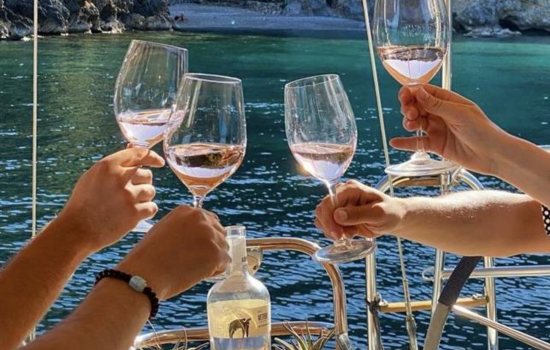
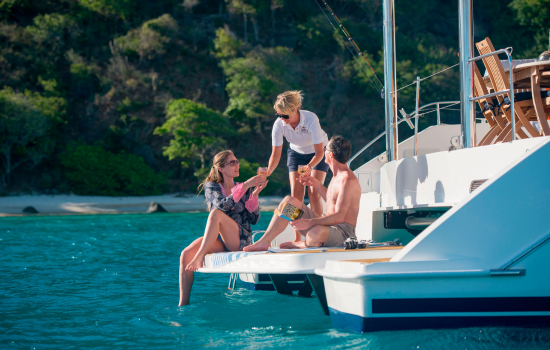
July and August bring the height of summer, filling Corsica with energy and activity. The sea is beautifully warm, the skies are consistently clear, and the island’s coastal towns are full of life. These months provide excellent sailing conditions, but they are also the busiest of the year, with popular anchorages filling quickly and a livelier atmosphere in ports and villages. This is the season for those who enjoy a vibrant Mediterranean buzz.
By September, the atmosphere softens once again. The sea remains warm, the winds stay gentle and predictable, and many of the summer crowds begin to fade. This combination makes September one of the most cherished months for sailing around the island.
For those seeking even quieter shores, April and October can also be rewarding, though the weather becomes more variable.
How to get there
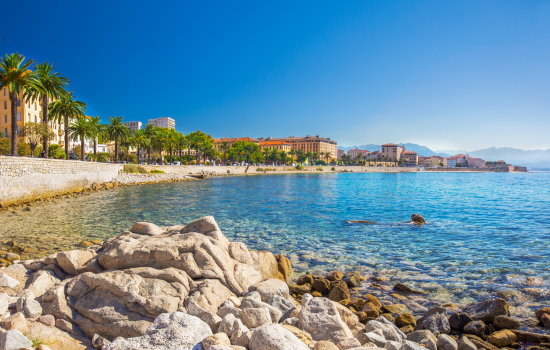
Reaching Corsica is easy, with several travel options depending on your preferences. The fastest and most convenient way is by air, with four main airports serving different regions of the island.
Ajaccio Napoleon Bonaparte Airport on the west coast is the busiest and provides easy access to the capital and surrounding beaches.
In the northeast, Bastia Poretta Airport serves Bastia and the Cap Corse region. At the same time, Calvi Sainte-Catherine Airport in the northwest is perfect for exploring Calvi, Île-Rousse, and the Balagne area.
For the far south, Figari–Sud Corse Airport offers the quickest route to Bonifacio, Porto-Vecchio, and the island’s stunning southern coastline. Another popular way to reach the island is by ferry, which allows you to bring a car or equipment with you and enjoy the dramatic approach to Corsica’s coastline. Ferries depart from several French ports, including Nice, Toulon, and Marseille, as well as Italian ports such as Genoa, Savona, and Livorno.
What to do?
Bonifacio
Bonifacio is a historic town located at the southern tip of Corsica, known mainly for its dramatic limestone cliffs and its old fortified citadel. The town is divided into two main areas: the upper town (Haute-Ville) on top of the cliffs and the lower town (the marina) down by the water. Most visitors spend time walking through the narrow streets of the old town, exploring the historic buildings, small shops, cafés, and viewpoints overlooking the sea.
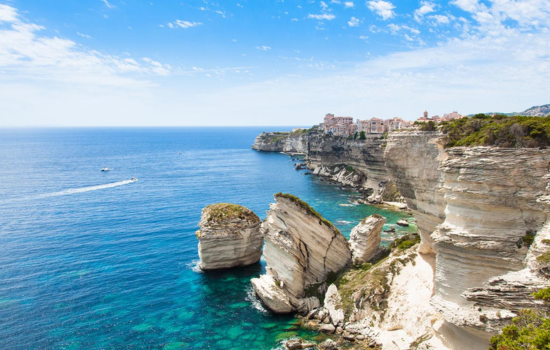
The Strait of Bonifacio, separating Corsica from Sardinia, is renowned for its strong, unpredictable winds, especially the Mistral (northwesterly) and Scirocco (southeasterly), which can create challenging sailing conditions with sudden gusts and choppy seas. The narrow passage also features powerful tidal currents (up to 4 knots) and shallow areas, requiring careful navigation, while its dramatic cliffs and clear waters make it a breathtaking but technically demanding route for sailors. Always check local forecasts and tide tables before setting sail!
Lavezzi Islands
The Lavezzi Islands are a small group of uninhabited islands located just south of Bonifacio. They’re known for their clear, shallow waters, smooth granite rocks, and quiet beaches. Because there are no hotels, shops, or restaurants on the islands, most people visit on a day trip by boat from Bonifacio.
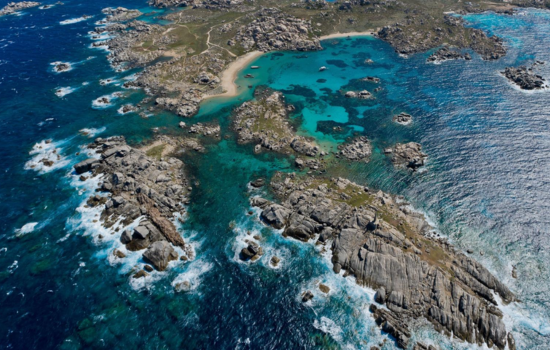
Once on the islands, the main activities are simple and nature-focused. Visitors typically spend their time swimming, snorkeling, walking along the trails, and exploring the beaches. The water is shallow and very clear, making it easy to see fish and marine life close to shore. The islands have several marked walking paths that take you past large granite boulders, small natural pools, and quiet sandy bays.
Calvi
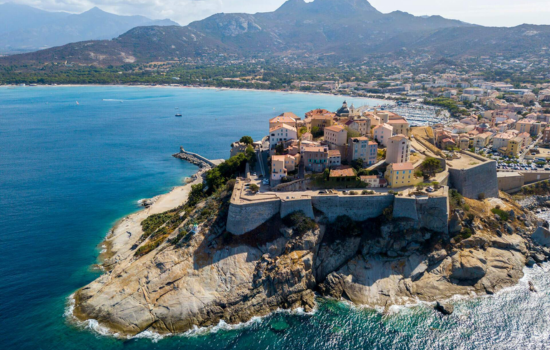
Calvi is one of northern Corsica’s most popular coastal towns, known for its long sandy beach, lively marina, and historic hilltop citadel. It’s a great base for travellers who want a mix of beach time, easy activities, and local culture. The town is compact and walkable, with plenty of cafés, gelato shops, restaurants, and small boutiques lining the waterfront.
Weather conditions
Corsica enjoys a typical Mediterranean climate, with hot, dry summers and mild, wet winters. During summer (June to September), temperatures usually range from 25°C to 32°C (77–90°F), ideal for swimming, sailing, and exploring the coast.
The inland mountains are slightly cooler, offering a refreshing escape from the heat. Spring (April–May) and autumn (October) bring pleasant temperatures between 18°C and 25°C (64–77°F), with fewer crowds and calm seas, making these seasons perfect for hiking and sailing. Winter (December–February) is mild along the coast, averaging 10°C–15°C (50–59°F), but can be colder in the interior, especially in the mountains.
Sailing Conditions and Wind
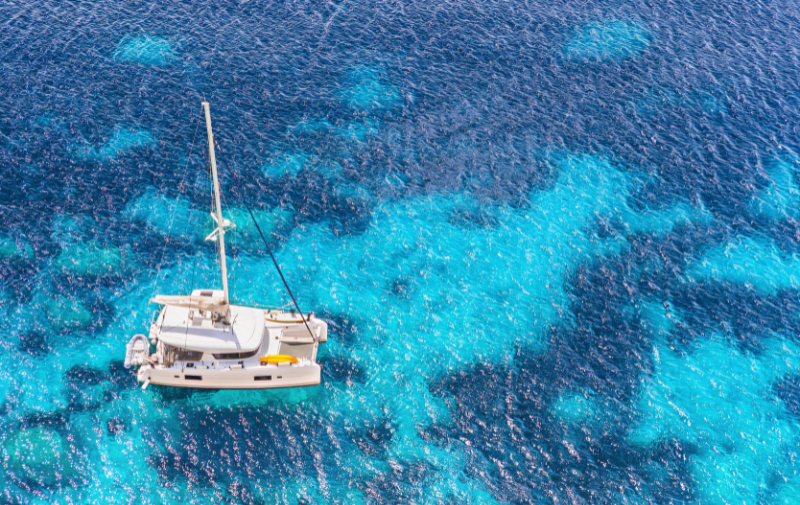
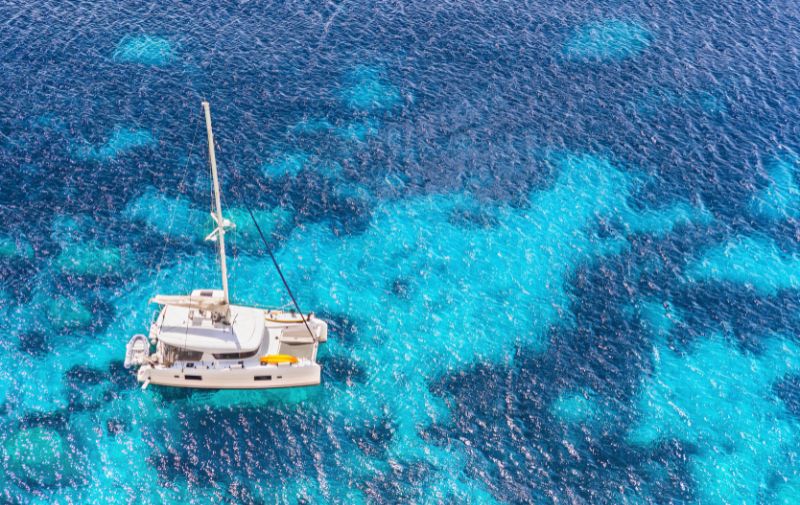
Corsica is renowned for its excellent sailing conditions, with clear, calm waters along most of the coastline and reliable Mediterranean winds, so you can enjoy a catamaran charter in Corsica in peace.
The prevailing winds are typically from the west and northwest, known locally as the Mistral, which can be strong at times, especially in the spring and early summer. Along the sheltered southern and eastern coasts, the winds are generally lighter and more predictable, making these areas ideal for relaxed coastal cruising.
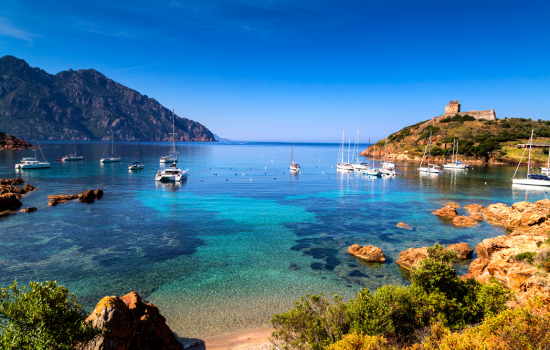
The seas around Corsica are usually calm in summer, with good visibility for swimming, snorkeling, and diving. The island’s rugged coastline, dotted with coves, cliffs, and islands, offers plenty of protected anchorages, allowing sailors to stop safely in scenic bays.
Autumn and late spring provide mild winds and fewer crowds, making them perfect for longer sailing trips or more adventurous routes along the northern and western coasts.
Itinerary sailing around Corsica:
Escape to the captivating shores of Corsica and indulge in a sailing adventure amidst the stunning landscapes of Corsica. Explore secluded coves, pristine beaches, and charming coastal villages as you navigate the crystal-clear waters of the Mediterranean.
Day 1: Ajaccio – Isolella
Set sail from Ajaccio along Corsica’s stunning coastline. Stop at Capo di Feno for golden beaches and turquoise waters, then explore the Calanques de Piana with their dramatic red cliffs. Anchor at Isolella to swim, snorkel, or relax, finishing the day with dinner at a local restaurant.
Day 2: Isolella – Propriano
Sail to Propriano and stroll its picturesque harbour filled with yachts and fishing boats. Visit the Church of Notre-Dame de la Miséricorde, enjoy fresh seafood at a seaside restaurant, and spend the afternoon on Plage de Baraci or trying water sports. End the day with a sunset dinner by the sea.
Day 3: Propriano – Cala di Conca
Arrive at Cala di Conca and hike along the cliffs for panoramic views. Relax on the sandy beach, swim, and enjoy a seafood lunch. Explore the village’s charming streets before dining on traditional Corsican cuisine in the evening.
Day 4: Cala di Conca – Bonifacio
Discover Bonifacio’s historic Old Town and medieval citadel perched on cliffs. Sail to the nearby Lavezzi Islands for swimming and snorkeling. If open, visit the Bonifacio market for local products and artisan crafts.
Day 5: Bonifacio – Caldarello
Cruise past Cavallo Island and the Phare des Îles Lavezzi, admiring pristine beaches and marine life. In Caldarello, enjoy fresh seafood and explore the town’s cultural and architectural highlights.