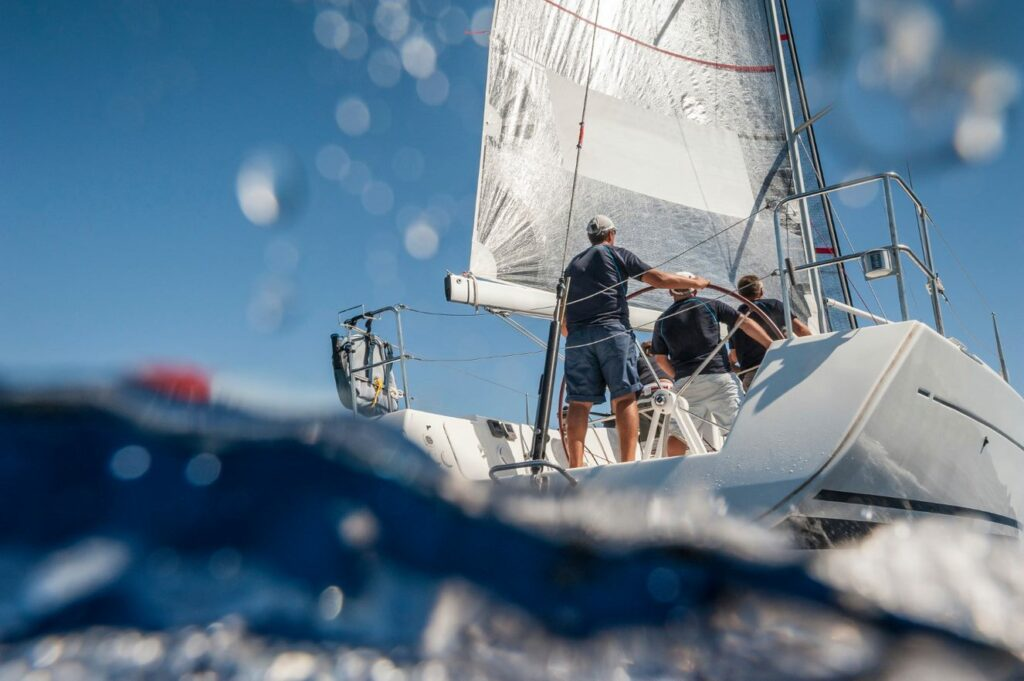

Preparing properly for your next yacht charter also means putting together a well-stocked onboard first aid kit. We’ve summarised the key do’s and don’ts, along with useful information about seasickness and general health at sea.
Every charter yacht is equipped with a basic first aid kit as standard. However, this is often not sufficient and should be supplemented with a personal medical kit.
How extensive your kit should be depends on several factors. Before departure, ask yourself:
- What is the age range of the crew? Are there children or elderly people on board?
- How long will you be travelling?
- What are the local climatic conditions?
- How strong will the sun exposure be?
- How far will you be from doctors or hospitals?
- What are the hygiene standards in the destination country?
If you are unsure, consult your doctor for advice on assembling your onboard medical kit.

Common Illnesses on Board
The most frequent health issues on board include:
- Skin conditions and itching
- Gastrointestinal problems
- Seasickness
- Ear, nose and throat (ENT) conditions
- Fever
- Pain
- Infectious diseases
- Skin conditions and itching
Medication and Medical Supplies
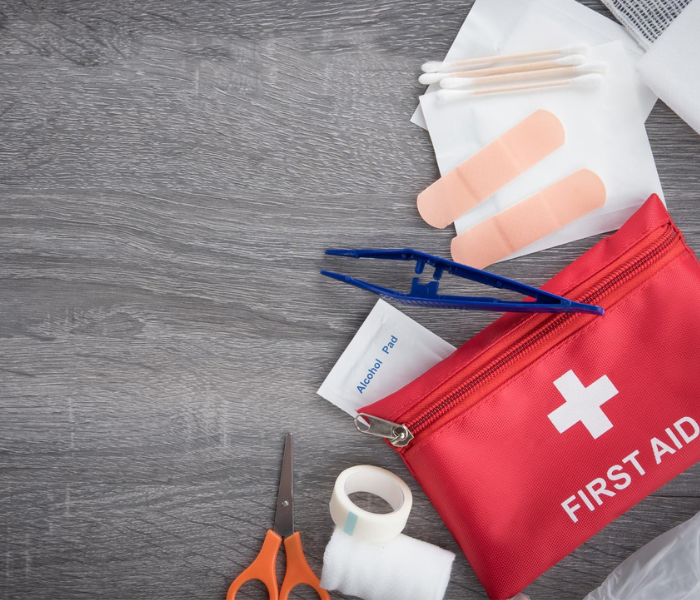
To provide immediate first aid in case of illness or injury, your onboard kit should include:
Basic medical supplies:
- Dressings and bandages
- Sterile compresses
- Plasters
- Instant cold packs
(Tip: single-use cold packs work even without a freezer) - Blood pressure monitor
- Sterile disposable gloves
- Heat patches
- Emergency blanket
- Scissors and tweezers
- Thermometer
Essential medications:
- Travel sickness tablets (e.g. anti-nausea medication)
- Remedies for ENT complaints
- Anti-diarrhoea and anti-nausea medication
- Skin treatments (e.g. for burns, rashes or insect bites)
- Painkillers and fever reducers (e.g. ibuprofen, paracetamol)
- Eye drops
If you regularly go sailing, check your kit before each trip and replace any expired medication.
Storage on Board
Store your medical kit in a cool, dry place, ideally along the hull below the waterline. As on land, keep it out of reach of children.
Always keep medications in their original packaging so that instructions and expiry dates are readily available. Store medicines separately from dressings, and keep a torch nearby so you can quickly find what you need in the dark.
General Information and Causes
Seasickness can affect anyone. However, people who feel anxious beforehand, as well as children, women and migraine sufferers, are generally more susceptible.
Seasickness is not an illness in itself, but rather a natural physical response to unfamiliar motion. It occurs when the brain receives conflicting signals: your body senses movement, but your eyes may perceive the surroundings as still. This mismatch triggers stress responses, leading to typical symptoms.
Prevention and Practical Tips
There are plenty of unusual remedies for seasickness. Wearing an eye patch, eating salted crackers and cola, or even raw herring… but their effectiveness is questionable.
Instead, focus on the basics:
- Avoid having a completely full or empty stomach
- Eat small, regular meals
- Avoid fatty or unfamiliar foods
- Eat light meals before travelling
- Limit alcohol, caffeine and nicotine
If symptoms begin:
- Go on deck and focus on the horizon
- Stay above deck whenever possible
- Lie flat in a low-motion area and close your eyes
- Sleep if you can—it often helps
Relaxation techniques, acupressure or yoga may also provide relief.
Tip: If you are prone to seasickness, consider chartering a catamaran. It is more stable than a monohull sailing yacht and generally causes fewer symptoms.
Medication and Course
Early symptoms include fatigue, headaches and sweating, followed by nausea, vomiting and dizziness.

To prevent dehydration and electrolyte imbalance, drink plenty of water and consider electrolyte solutions.
Other symptoms may include paleness, low mood and difficulty concentrating. Usually, the body adapts after a few days and symptoms subside.
Medical attention is not typically required. However, seek a doctor if symptoms become severe, such as persistent dizziness, heart issues or severe acid reflux.
To prevent or relieve seasickness, you can use:
- Natural remedies such as ginger
- Chewing gum
- Medication containing dimenhydrinate
- Special wristbands or patches designed for motion sickness
Vaccinations
Before travelling, check which vaccinations are recommended for your destination. Your doctor can advise you, or you can consult a tropical medicine institute.
Sun Protection
Sun exposure is particularly intense at sea. Use high-factor sunscreen, wear a hat and sunglasses, and make use of onboard shade such as a bimini.
Protection from Cold and Wet Conditions
Waterproof sailing gear is ideal, as it typically consists of layered, breathable materials. A more affordable alternative is microfibre clothing.
Injury Prevention
Wear appropriate clothing during manoeuvres. Even in warm weather, avoid going barefoot on deck.
Use sturdy, non-slip footwear and gloves to protect your hands. Good hygiene on board is also essential to prevent illness.
Note: This guide is intended to provide general advice and inspiration for your onboard medical kit. It is not a definitive checklist—always consult your doctor or pharmacist for personalised recommendations.